Why Your Wedding Ceremony Is Boring (And How to Make It Unforgettable)
Let's be honest—how many wedding ceremonies have you sat through lately where you found yourself checking your phone or zoning out? If you're nodding your head, you're not alone. The uncomfortable truth is that most wedding ceremonies are forgettable at best, and downright snoozy at worst.
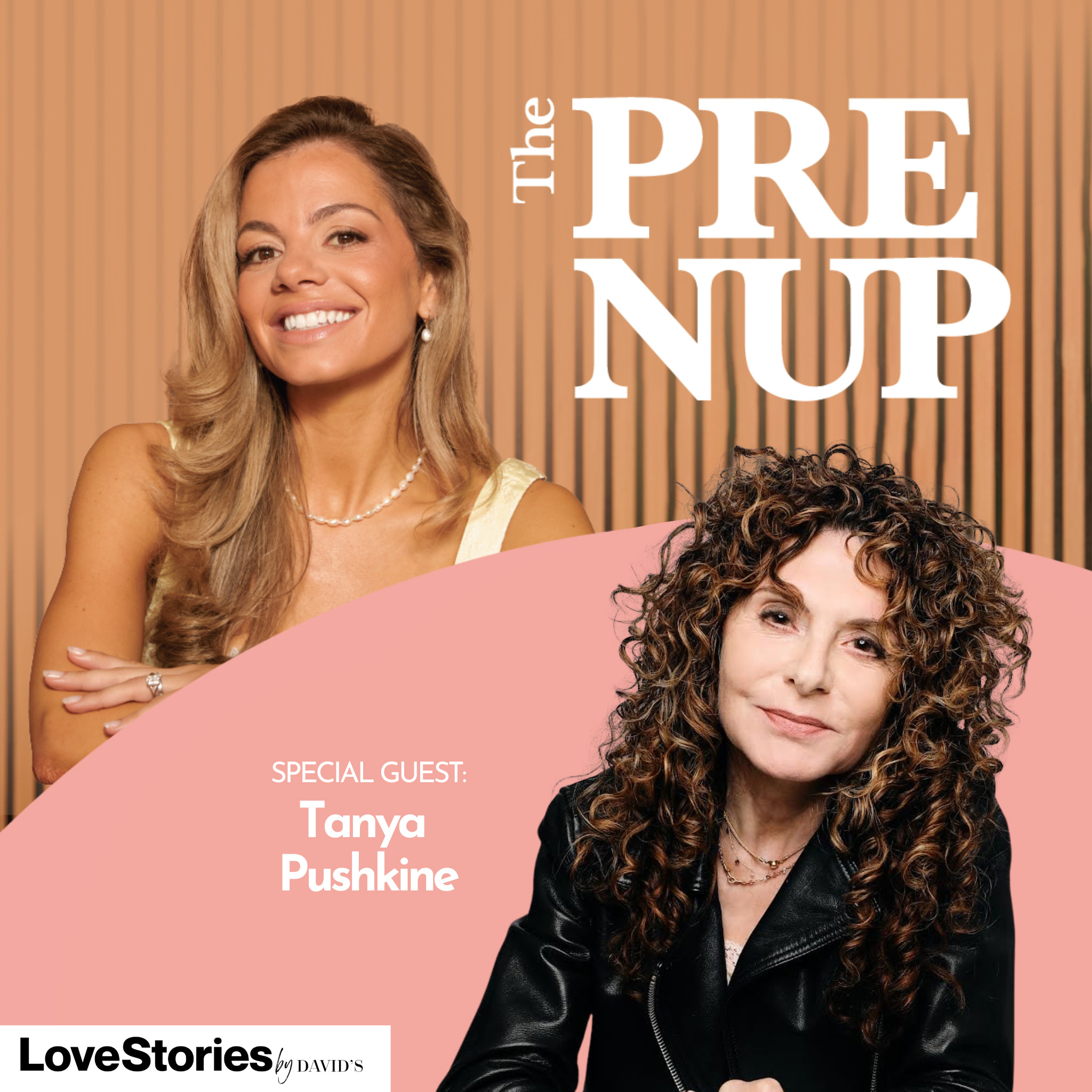
But here's the thing: your ceremony is literally the reason everyone is there. It's the foundation of your entire celebration, and it deserves to be just as thoughtfully planned as your reception. On this week's episode of The Pre Nup, I sat down with returning guest Tanya Pushkine, founder of The Vow Whisperer, who has officiated weddings all over the world and coaches couples on creating ceremonies that leave guests saying, "Oh my God, what just happened?"
Whether you're planning to have a friend officiate or hiring a professional, Tanya's insights will help you craft a ceremony that's personal, engaging, and absolutely unforgettable—because the last thing you want is for people to be mentally planning their first cocktail while you're saying "I do."
The Hidden Problem: Why 85% of Wedding Ceremonies Fall Flat
According to The Knot, 85% of weddings are now officiated by friends or family members. While this trend toward personalization sounds lovely in theory, it's creating a major problem: amateur officiants who don't know how to hold a room, manage a crowd, or create a compelling ceremony experience.
"There's a myth that couples think their ceremony will be so much more personalized if it's somebody who knows them," Tanya explains. "But that BFF or your uncle doesn't know how to stand up there, how to write a ceremony, how to manage a crowd." She's seen it all—officiants who forget to tell guests to be seated (hello, Millie Bobby Brown's wedding disaster), funny friends who make the ceremony about themselves, and well-meaning family members who turn what should be a 20-minute celebration into an awkward endurance test.
The solution isn't necessarily hiring a professional officiant (though that's certainly an option), but rather taking the ceremony planning process seriously. Whether you're working with a seasoned pro or coaching your best friend through their first officiant experience, the key is intentional preparation and understanding what makes a ceremony truly memorable.
Creating Ceremonies That Celebrate Your Unique Story
The most engaging ceremonies are deeply personal without being exclusionary to guests. Tanya's approach focuses on collaborative storytelling—working with couples to uncover the specific details that make their love story unique, then weaving those elements into a ceremony that feels authentic and engaging.
Her process starts with what she calls "the questionnaire"—a working document that couples sit with for about a month. The questions are intentionally vague ("Why do you love him? What are the qualities that made you want to marry him?") because the goal is to get couples thinking beyond surface-level responses. "You could think of a million things today and three million things next week," she explains. "You come back and edit, delete, change, and rewrite until you feel like you've done the best you can."
For multicultural couples, this is where the real magic happens. Instead of defaulting to a generic, non-denominational ceremony that represents neither culture, Tanya encourages couples to celebrate where they come from. "What did your grandparents do at their weddings? Get me a little nugget. What kind of tradition did they do that we've never seen before?" These cultural elements don't just personalize the ceremony—they educate and engage guests, giving them insight into traditions they might never have witnessed before.
The Art of Vow Writing and Delivery
Even the most beautifully written vows can fall flat if they're delivered poorly. Tanya emphasizes that how you say your vows is often more important than what you write. "If you deliver these vows with oomph, with expression, with energy, and you're not falling flat monotone, it's more impactful than perfect writing delivered poorly."
For couples terrified of public speaking (and remember, it's literally the #1 fear worldwide—scarier than drowning or fire), Tanya offers practical solutions. The 4-4-4 breathing technique (breathe in for 4 counts, hold for 4, breathe out for 4, repeat 4-5 times) helps calm pre-ceremony nerves. But the real secret weapon is practice—lots of it.
If you're worried about crying during your vows, here's Tanya's golden rule: never try to talk through tears. Stop, compose yourself, breathe, wipe your tears, and continue. "No one is going anywhere," she reminds couples. "Take a full minute if you need it." This is the biggest moment of your life so far—people expect emotion, not robotic perfection.
For couples who struggle with writing, Tanya has a solution: professional vow writers who will interview you and create finished vows. "There are maybe four or five vow writers in America," she notes. It's a niche service, but invaluable for busy couples or those who simply don't have a way with words.
Essential Logistics That Make or Break Your Ceremony
Beyond the emotional content, there are practical elements that separate amateur ceremonies from professional ones. The biggest decision you'll make? Whether to have an unplugged ceremony. Tanya reports that most of her couples now choose to go phone-free, and for good reason—there's nothing that ruins professional wedding photos quite like a sea of iPhone screens blocking the photographer's shot.
If you're working with a friend or family member as your officiant, make sure they understand the technical basics: how to use a microphone, when to tell guests to be seated, how to project their voice, and what to do if something goes wrong. These might seem like small details, but they're what separate a smooth, professional ceremony from an awkward amateur hour.
The collaborative approach extends to ceremony scripting as well. Whether Tanya is officiating herself or coaching someone else, she works closely with couples to create exactly what they want. "We craft that ceremony together," she explains. "After an initial phone call about what you've loved and hated at other weddings, what your cultural backgrounds are, I put together material and we go back and forth until we finalize it together."
Making Your Ceremony the Main Event (Not Just the Appetizer)
Too many couples—and even some wedding planners—treat the ceremony as something to rush through before getting to the "real party." This is a missed opportunity. Your ceremony is the first thing guests experience, and it sets the tone for everything that follows.
Tanya advocates for ceremonies that are substantial enough to feel important (at least 15 minutes) but engaging enough that they don't drag. The shortest ceremony she's ever done was 8 minutes, and even she admits it felt too rushed. "Those minutes, however long or short, have got to make people walk away thinking, 'Oh my God, what was that? What just happened?' It's a performance—not performative, but a performance."
For couples looking to create that "suspenseful" or unexpected element, consider non-traditional processionals, cultural rituals guests haven't seen before, or meaningful involvement of friends and family during the ceremony itself. The goal is to surprise and delight your guests while staying true to who you are as a couple.
Key Takeaways
• Treat your ceremony as seriously as your reception—it's the foundation of your entire celebration and deserves intentional planning
• If using a friend or family officiant, invest in coaching—natural charisma doesn't automatically translate to ceremony skills
• Practice your vows extensively—delivery matters more than perfect writing, and practice builds confidence
• Consider going unplugged—phone-free ceremonies create better photos and more engaged guests
• Embrace your cultural backgrounds—multicultural elements educate guests and make ceremonies more memorable
• Plan for emotions—have a strategy for tears, and remember that stopping to compose yourself is always okay
• Aim for 15-20 minutes—long enough to feel substantial, short enough to stay engaging
Frequently Asked Questions
How long should a wedding ceremony be?
A wedding ceremony should be 15-20 minutes long—substantial enough to feel important and memorable, but not so long that guests get restless. The shortest ceremony should be at least 8 minutes to allow time for meaningful content, while anything over 30 minutes risks losing your audience's attention.
Should I have a friend officiate my wedding or hire a professional?
Both options can work beautifully, but friends and family members need proper coaching to succeed. While 85% of weddings now use amateur officiants, many fail because the person doesn't understand how to hold a room, manage logistics, or create engaging content. If you choose a friend, invest in professional coaching or ceremony planning services.
What makes a wedding ceremony boring vs. memorable?
Boring ceremonies lack personalization, have poor delivery, include generic content, and are officiated by unprepared amateurs. Memorable ceremonies feature personal storytelling, cultural elements, engaging delivery, proper pacing, and officiants who know how to connect with an audience. The key is treating the ceremony as a performance that celebrates your unique love story.
How do I write wedding vows if I'm not good with words?
Start with a detailed questionnaire about your relationship, focusing on specific memories, qualities you love about your partner, and what marriage means to you. Work with these raw thoughts for several weeks, editing and refining. Consider hiring a professional vow writer who will interview you and craft finished vows, or work with a ceremony coach who can help shape your words into a compelling narrative.
Should we have an unplugged wedding ceremony?
Most couples now choose unplugged ceremonies, and for good reason. Guest phones block professional photographers, create distractions, and reduce engagement with the actual ceremony. An unplugged ceremony ensures better photos, more present guests, and a more intimate atmosphere during your most important moment.
---
This post is based on an episode of The Pre Nup: A Wedding Planning Podcast. Follow us @the_pre_nup on Instagram and TikTok, and listen wherever you get your podcasts.