Why I Skipped Bridesmaids and a Bachelorette Party: A Newlywed's Honest Take
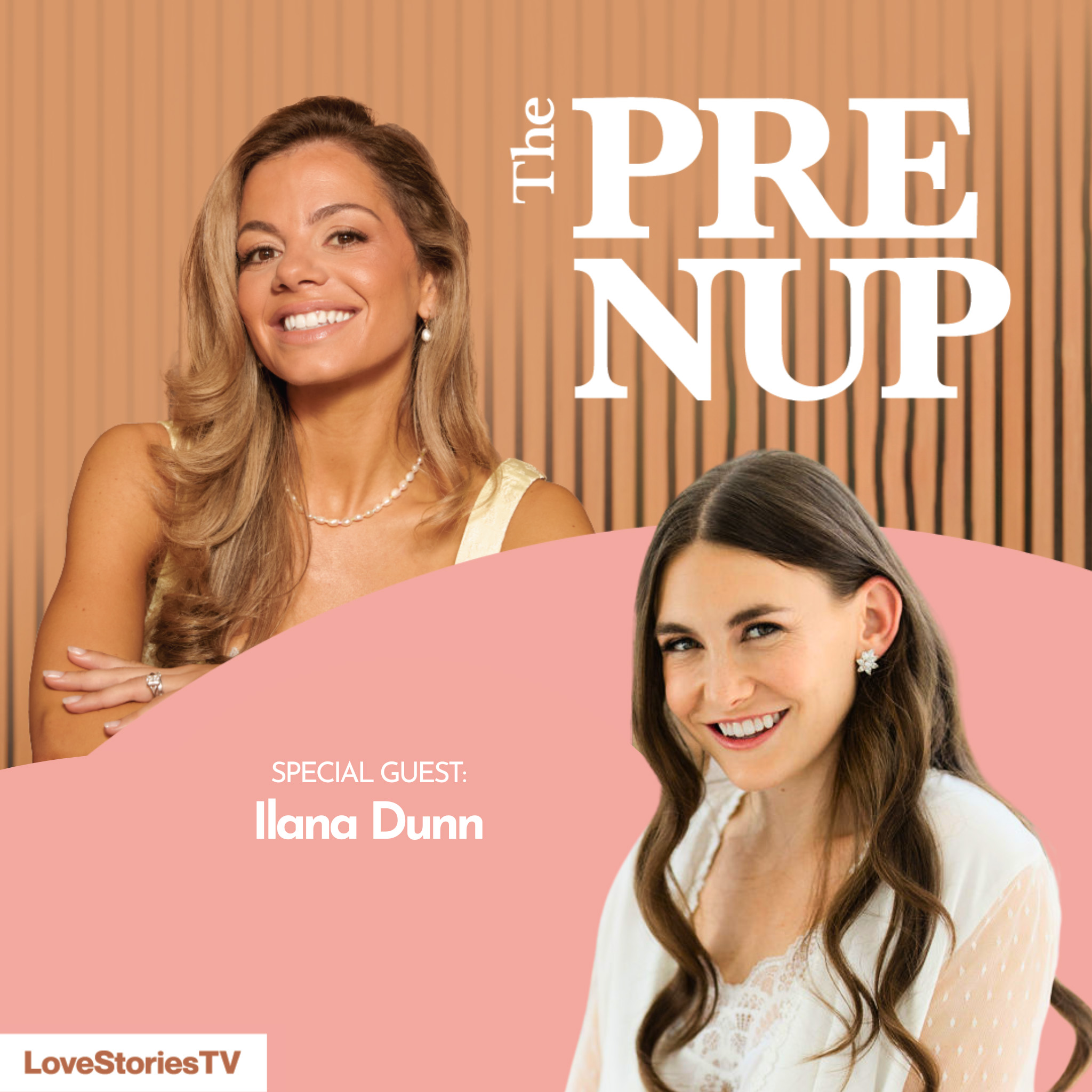
Planning a wedding without bridesmaids or a bachelorette party might sound unconventional, but for some brides, it's the key to a stress-free celebration. On this week's episode of The Pre Nup, I sat down with Ilana Dunn, host of the wildly popular dating podcast "Seeing Other People," to discuss her refreshingly honest approach to wedding planning and why she chose to skip some of the most traditional wedding elements.
As a newlywed who got married on June 1st at Old Oaks Country Club in Westchester County, Ilana's perspective offers valuable insights for modern brides feeling overwhelmed by wedding expectations. Her story isn't just about what she didn't do – it's about making intentional choices that aligned with her values and personality, ultimately creating a more meaningful celebration.
The Real Reason Behind Skipping Traditional Wedding Elements
When Ilana decided to forgo a traditional bridal party and bachelorette celebration, it wasn't about being anti-tradition – it was about being honest with herself. "Not having a bachelorette party was the best decision that I made for myself throughout the entire wedding planning process," she shared during our conversation.
The decision came down to understanding her own personality and limitations. As someone who identifies as a people-pleaser and gets stressed over group dynamics, Ilana recognized that organizing a bachelorette party for 20+ people would cause more anxiety than joy. The logistics of coordinating schedules, budgets, and activities for diverse friend groups felt overwhelming rather than exciting.
This insight is crucial for modern brides: wedding traditions should serve you, not stress you out. According to recent wedding industry data, nearly 30% of brides report feeling overwhelmed by pre-wedding events, yet many feel obligated to participate because "it's what you do."
Navigating the Bridesmaid Dilemma: A Creative Solution
The bridesmaid selection process presented similar challenges. Ilana wanted bridesmaids but couldn't figure out how to choose without hurting feelings or causing friendship drama. Her solution was both practical and heartfelt: she had her two lifelong best friends serve as maids of honor, while her brothers and her fiancé's brother walked down the aisle in their place.
To ensure her extended friend group still felt included, Ilana and Jake hosted a "not wedding party party" a few months before the wedding. This gathering allowed all the people who would have been in a larger wedding party to meet, connect, and celebrate together without the formal obligations and potential stress of official wedding party duties.
This approach addresses a growing trend in wedding planning: the desire to honor important relationships without creating hierarchies or hurt feelings. Many couples are finding creative ways to include loved ones that don't fit traditional molds, from ceremony readings to special reception roles.
Managing Wedding Guest List Stress Like a Pro
Perhaps the most universally challenging aspect of wedding planning that Ilana discussed was the guest list. After initially planning for around 200 guests and choosing a venue with a 180-190 person capacity, they discovered their actual list included 270 people. The math simply didn't work.
Ilana's approach to guest list cuts offers a masterclass in difficult conversations. When she had to tell friends they couldn't attend, she was direct but kind: "I love you and I don't want you guys to take this personally. I feel so bad about it, but we can't have Johnny come. There's just no space, and I hope you still come and I hope no hard feelings."
The key was taking responsibility for the limitation rather than making it about the person being excluded. She also made strategic decisions about when to have these conversations, recognizing that timing and approach could preserve relationships even in disappointing circumstances.
Smart Wedding Planning Strategies That Actually Work
Without a wedding planner, Ilana relied on organization and family connections to manage her wedding planning process. Her secret weapon was a comprehensive spreadsheet that served as her "Bible" throughout the process, with tabs for vendors, venues, guest lists, timelines, and even random ideas.
She also made the smart decision to hire a month-of coordinator, Marissa from Ryan Brook Events, who ended up starting her involvement three months before the wedding. "I knew that those last few weeks, I would not be OK if I was the one having to get on the phone with every single vendor," Ilana explained.
This decision proved invaluable – Marissa even sewed Ilana's dress back together after it tore during photos, ensuring the bride could enjoy her first dance worry-free. The lesson here is that even organized, capable brides need support systems, especially in the final weeks before the wedding.
Continuing to Date Your Spouse: Post-Wedding Relationship Advice
As a dating expert who now focuses on married life, Ilana emphasized the importance of intentional romance after the wedding. Her top recommendation is to recreate activities from your dating days – she and Jake still do "date card days" inspired by The Bachelor, where they surprise each other with planned dates.
The key is making time intentional rather than defaulting to passive activities like watching separate shows on different devices. "Put more fun back into it," she advised. "Do activities together and really focus on enjoying each other's company because it's so easy to just sit on the couch."
This advice becomes especially relevant for newlyweds who may experience a post-wedding letdown after months of planning buildup. Having strategies for maintaining romance helps couples transition from wedding planning mode to married life.
Key Takeaways
• Know yourself before committing to traditions – If group events stress you out, it's okay to skip the bachelorette party
• Get creative with wedding party alternatives – Honor important relationships without formal hierarchies through special gatherings or ceremony roles
• Have direct, kind conversations about guest list limitations – Take responsibility for constraints rather than making exclusions personal
• Invest in month-of coordination even if you don't use a full planner – Having professional support for final details is invaluable
• Create comprehensive organizational systems early – A detailed spreadsheet can serve as your planning bible throughout the process
• Make post-wedding romance intentional – Recreate dating activities and carve out phone-free time together
• Remember that your wedding should reflect your personality – Don't let external pressures override your instincts about what will work for you
FAQ
Is it rude to not have bridesmaids at your wedding?
It's absolutely not rude to skip bridesmaids at your wedding. Many couples are choosing alternative approaches to honor important relationships, such as having close friends do readings, serve as ushers, or participate in other meaningful ways. The key is communicating your decision clearly and finding other ways to include the people who matter most to you in your celebration.
How do you handle not inviting someone to your wedding?
When you can't invite someone to your wedding due to space or budget constraints, be direct but kind in your communication. Take responsibility for the limitation rather than making it about the person. You might say: "I'm so sorry, but due to our venue capacity, we had to make some really difficult decisions about our guest list. I hope you understand it's not a reflection of how much you mean to us."
What are alternatives to traditional bachelorette parties?
Alternatives to traditional bachelorette parties include intimate dinners with close friends, spa days, weekend staycations, cooking classes, or simply skipping the event altogether. Some brides opt for co-ed celebrations or incorporate bachelorette-style activities into their bridal shower. The key is choosing something that aligns with your personality and stress levels.
Should I hire a wedding coordinator if I'm not using a full planner?
Yes, hiring a month-of or day-of coordinator is highly recommended even if you're planning the wedding yourself. These professionals handle vendor coordination, timeline management, and unexpected issues on your wedding day, allowing you to actually enjoy the celebration rather than manage logistics. They typically begin working with you 1-3 months before the wedding.
How do you transition from wedding planning to married life?
Transitioning from wedding planning to married life requires intentional effort to maintain romance and connection. Continue dating each other through planned activities, phone-free dinners, and recreating experiences from your courtship. It's also important to establish new goals and dreams together beyond the wedding to maintain forward momentum in your relationship.
---
This post is based on an episode of The Pre Nup: A Wedding Planning Podcast. Follow us @the_pre_nup on Instagram and TikTok, and listen wherever you get your podcasts.