Wedding Dress Shopping: The Ultimate Guide to Finding Your Perfect Gown (From a Bridal Industry Insider)
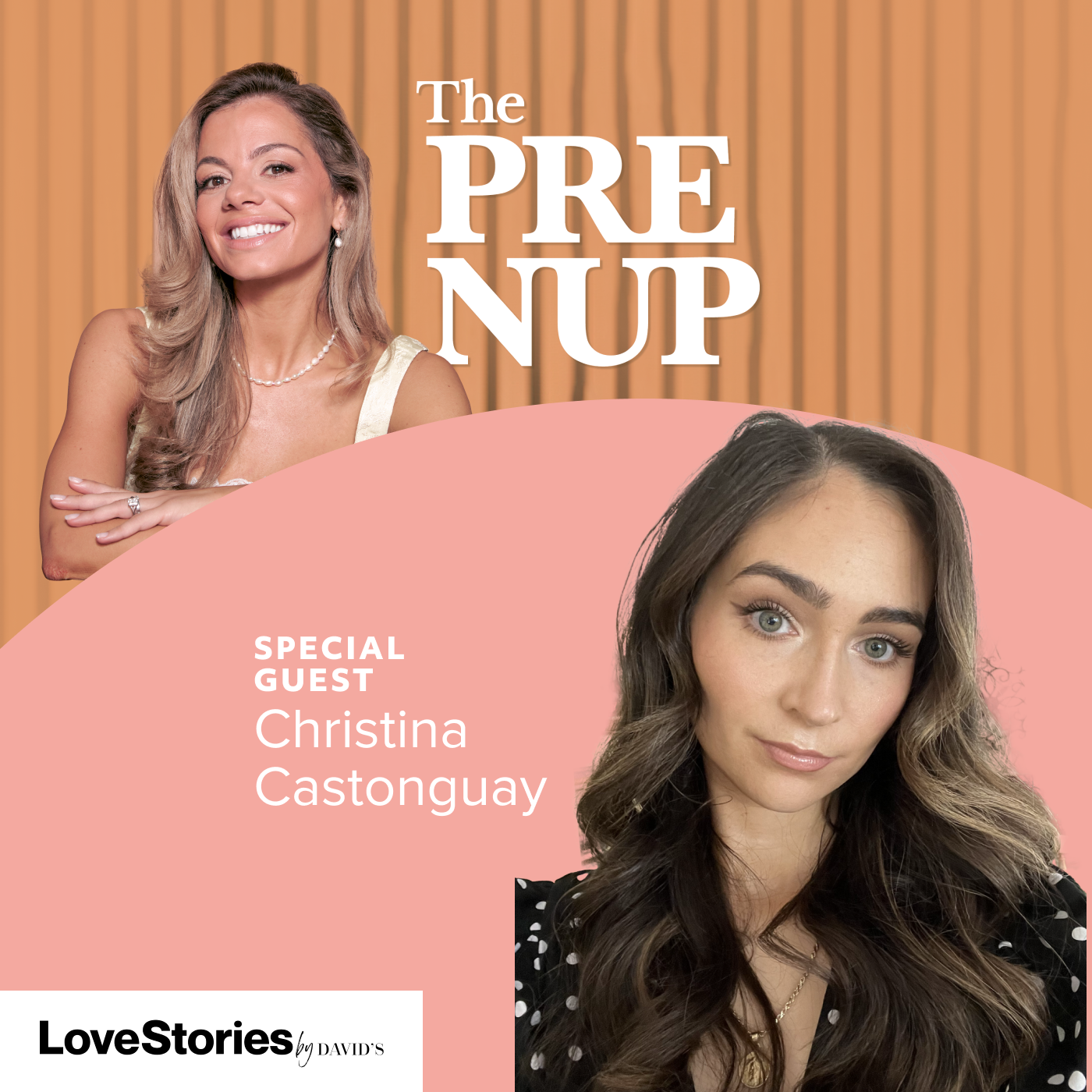
Wedding dress shopping can feel overwhelming with endless silhouettes, fabrics, and designers to choose from. But what if you could get insider advice from someone who's spent over a decade helping brides find their perfect gown? On this week's episode of The Pre Nup, I sat down with Christina Castonguay, the powerhouse behind Lux Bride Guide, who has been working with renowned designer Pnina Tornai for over 10 years and just went through her own dress shopping experience.
As someone who's seen thousands of brides try on wedding dresses and knows the industry inside and out, Christina shared game-changing insights that every bride needs to hear before stepping into a bridal salon. From timing your shopping to avoiding common pitfalls, her advice could save you time, money, and stress while helping you find a dress you'll truly love.
When to Start Wedding Dress Shopping: The Perfect Timeline
One of the biggest mistakes I see brides make is either rushing the process or starting too late. Christina recommends beginning your wedding dress shopping around the 12-month mark, though 9-12 months is ideal. This timeline isn't arbitrary – it accounts for the reality of dress production and alterations.
Here's why timing matters: most wedding dresses take 6-9 months to arrive, especially if you're ordering a custom or made-to-measure gown. Designer dresses aren't sitting in warehouses waiting to be shipped – they're made to order, one by one. When you're ordering from designers like Pnina Tornai, each dress is handcrafted with intricate beadwork and detailing that simply cannot be rushed.
Beyond production time, you'll need additional weeks for alterations. Even if a dress arrives in your size, it will likely need adjustments to fit perfectly. The best alterations are done close to your wedding date to account for any body changes, but you still need buffer time in case issues arise.
The Hidden Secret to Perfect Wedding Dress Fit
Christina dropped a truth bomb that most brides never consider: "Your best accessory is the tailoring of your dress." You can have the most expensive designer gown, but poor tailoring will ruin the look. Conversely, impeccable tailoring can make a less expensive dress look couture.
When it comes to finding the right tailor, Christina strongly recommends getting your dress altered at the boutique where you purchased it. These seamstresses have worked with your specific designer multiple times and understand the construction, fit, and unique elements of each dress. They know how a Pnina Tornai corset should fit versus a Maggie Sottero A-line.
If your boutique doesn't offer alterations, ask for specific tailor recommendations. Never take your wedding dress to a regular dry cleaner or someone who primarily hems pants. Wedding dress alterations require specialized skills in working with delicate fabrics, intricate beadwork, and complex construction. Look for tailors who specialize in eveningwear and bridal, and always check reviews and before-and-after photos of their work.
Accessorizing Your Wedding Look: Prioritize What Matters Most
Wedding accessories can quickly become a budget-buster, with shoes, jewelry, veils, and headpieces adding hundreds or thousands to your total cost. Christina's approach is strategic: prioritize what's most important to you personally, rather than feeling pressured to have everything.
Consider what will have the biggest impact on your photos and your comfort. If you're having a 20-minute ceremony, spending $2,000 on a cathedral veil you'll remove immediately might not be worth it. But if you're having a church wedding and the veil holds sentimental value (like Christina's Spanish mantilla honoring her grandmother), it becomes a priority.
For jewelry, consider rental options like Verstal, which allow you to wear stunning pieces without the permanent investment. This is especially smart for statement pieces you're unlikely to wear again. Remember, you can also rent and potentially purchase if you fall in love with something.
Comfort cannot be overstated, especially for shoes. Even if you invest in designer heels for photos, have comfortable alternatives ready. Christina recommends platform sneakers for dancing – your feet will thank you after 12+ hours.
The Research Phase: How to Narrow Down Your Options
Before setting foot in a bridal salon, Christina recommends doing your homework – but not getting lost in endless Pinterest scrolling. Start by understanding basic terminology: the difference between a ballgown and A-line, various neckline styles, and fabric types. This knowledge helps you communicate effectively with consultants.
Create inspiration boards, but focus on silhouettes and details that consistently appeal to you rather than getting caught up in specific dresses you may not be able to afford or that may not suit your body type. Pay attention to elements like necklines, sleeve styles, and embellishment levels that repeatedly catch your eye.
Christina also suggests looking at inspiration photos of people with similar coloring to yours. If you're brunette with brown eyes, Kim Kardashian's makeup might not translate the same way it would on someone with similar features. This same principle applies to dress styles – certain cuts and details photograph differently on various body types and skin tones.
Breaking Free from Wedding Dress "Rules" and Trends
Here's a controversial take that Christina and I both agree on: stop obsessing over "timeless" dresses. The push for timelessness has actually become its own trend, which defeats the purpose entirely. Christina puts it perfectly: "It would be boring if we didn't have fashion eras. We wouldn't have Bridgerton fashion or certain iconic looks."
Instead of worrying about whether you'll love your dress in 20 years, focus on what makes you feel amazing right now. If you can already imagine disliking your dress next year, it's probably not the right choice. But if you love it now and it makes you feel confident and beautiful, trust that feeling.
This philosophy extends to reception dresses too. Despite working in the industry and having access to countless gorgeous options, Christina chose to wear one dress all night. Her reasoning? If she couldn't find a second dress she loved as much as her ceremony gown, why take off the one that made her feel incredible?
Your Wedding Dress Shopping Success Strategy
The key to successful wedding dress shopping isn't just about finding a beautiful dress – it's about finding the right dress for you, your wedding, and your budget. Give yourself adequate time, do your research, trust the professionals you're working with, and remember that your gut feeling matters more than outside opinions.
Most importantly, don't put pressure on yourself to have a specific emotional reaction. Not every bride cries when she finds "the dress," and that's perfectly normal. Sometimes it's simply a knowing feeling, a sense that this is the dress you want to marry your partner in.
Key Takeaways
• Start wedding dress shopping 9-12 months before your wedding date to account for production and alteration time
• Invest in quality alterations – preferably at the boutique where you purchased your dress
• Prioritize accessories based on personal importance and budget, not because you feel you "should" have everything
• Do preliminary research on silhouettes, fabrics, and terminology before shopping appointments
• Focus on how you feel in the dress rather than chasing "timeless" trends
• Consider comfort for shoes and undergarments – you'll be wearing them for 12+ hours
• Trust professionals' expertise while staying true to your personal style and preferences
Frequently Asked Questions
How long does it take for a wedding dress to arrive after ordering?
Most wedding dresses take 6-9 months to arrive, depending on the designer and whether it's custom or off-the-rack. Designer gowns are typically made to order rather than kept in inventory, which requires significant production time for handwork like beading and embroidery.When should I schedule my final wedding dress fitting?
Schedule your final fitting as close to your wedding date as possible, typically 2-4 weeks before. This accounts for any natural weight fluctuations from wedding stress. However, avoid making drastic diet or exercise changes in the final two months before your wedding.Do I need to buy wedding accessories from the same boutique as my dress?
No, but it's helpful to try accessories on with your actual dress during fittings. The style, neckline, and details of your dress will influence what jewelry, shoes, and headpieces work best. Many brides purchase accessories elsewhere but coordinate the look during alteration appointments.Should I bring my wedding shoes to dress fittings?
Absolutely. Your wedding shoes (or shoes with the same heel height) are essential for proper hemming and ensuring the dress fits correctly. If you haven't purchased your wedding shoes yet, bring shoes with your intended heel height to the fitting.How much should I budget for wedding dress alterations?
Budget $300-800 for basic alterations, though complex changes can cost more. Alterations typically include hemming, taking in the bodice, and bustling. More extensive changes like adding sleeves, changing necklines, or significant size adjustments will increase costs significantly.---
This post is based on an episode of The Pre Nup: A Wedding Planning Podcast. Follow us @the_pre_nup on Instagram and TikTok, and listen wherever you get your podcasts.