The Benefits of a Long Engagement: Why Almost 2 Years Might Be Perfect for Your Wedding Planning
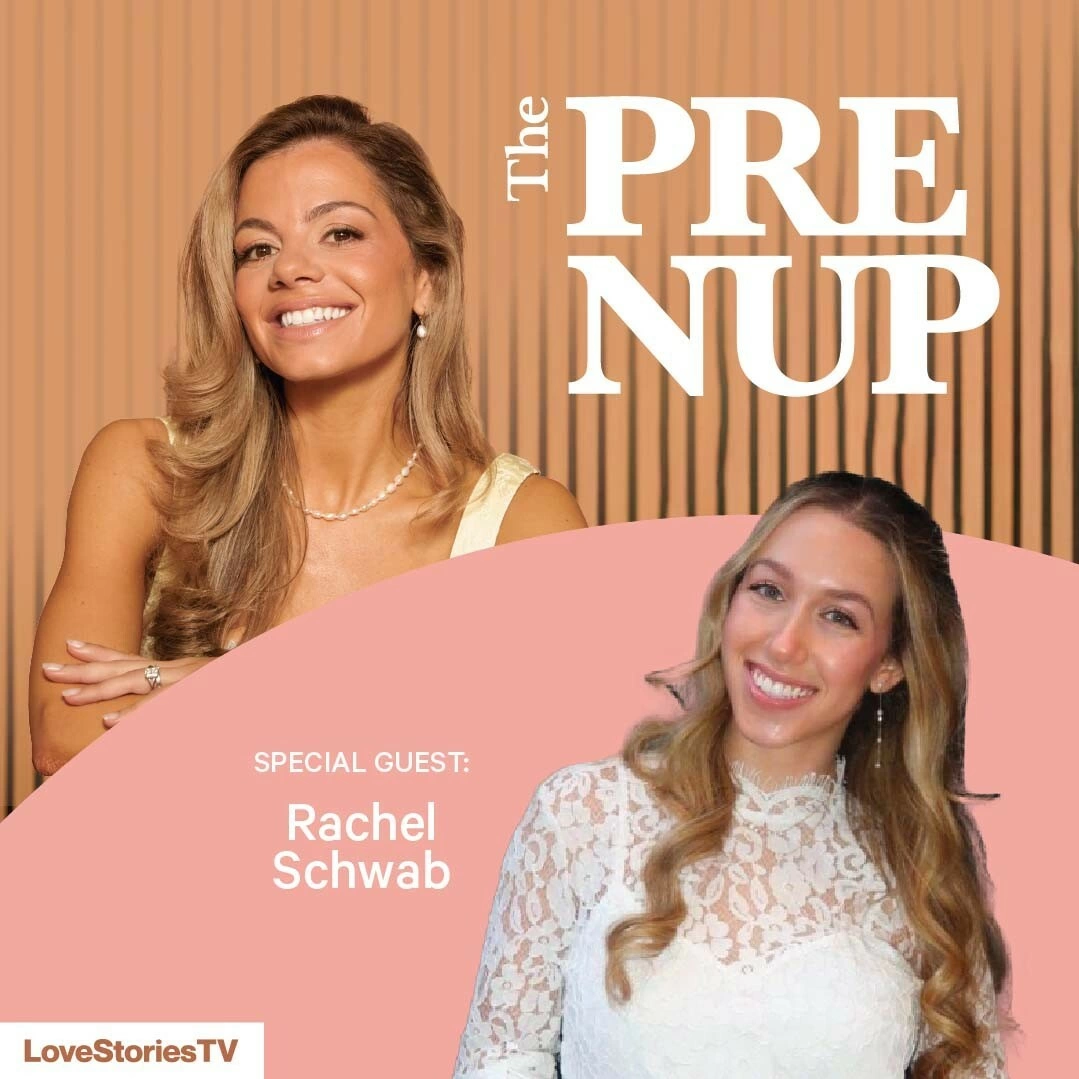
Planning a wedding in 6-12 months feels like the standard timeline everyone talks about, but what if I told you that a nearly two-year engagement could actually be the secret to a stress-free, well-planned celebration? On this week's episode of The Pre Nup, I sat down with lifestyle influencer Rachel Schwab (@justbecauseitspretty) who's embracing what she calls a "controversial" engagement length – and loving every minute of it.
Rachel got engaged in May 2023 and is planning her April 2025 wedding, giving her almost two full years to plan. As someone who's seen countless brides rush through decisions and stress about vendor availability, I was fascinated to hear Rachel's perspective on taking her time. Her approach challenges the conventional wisdom that you need to book everything immediately after getting engaged, and honestly? She might be onto something brilliant.
Why a Long Engagement Timeline Actually Works in Your Favor
When Rachel first mentioned her extended timeline, she called it "controversial," but I think she's being modest. What she's really doing is maximizing one of the best periods of your relationship – the engagement phase. As she perfectly put it, "What are we rushing for? You get bridal privilege... people do treat you a little bit better when there's something exciting in your life."
The benefits of a long engagement go far beyond just having more time to plan. You get to truly savor being a bride-to-be, which only happens once. There's something magical about having months ahead of you filled with dress shopping, venue tours, and endless Pinterest sessions without the pressure of immediate deadlines.
From a practical standpoint, a longer timeline also means better vendor availability. While everyone's fighting over the same June wedding date for next year, you're casually booking your dream photographer for a date 18 months out when they still have options. Rachel was able to visit only one venue – and book it – because she had the luxury of time to research thoroughly beforehand.
Smart Wedding Planning Strategies for Extended Engagements
One thing I loved about Rachel's approach is how strategic she's been with her timing. She deliberately planned around her brother's wedding, giving his celebration the spotlight it deserved before diving into her own planning. This kind of thoughtful scheduling is only possible with a longer timeline.
Rachel's planning approach breaks down into phases: the initial "just be happy" summer where she focused on enjoying the engagement, followed by booking major vendors in the fall, and now she's in the detail phase with about 10 months to go. This phased approach prevents the overwhelming feeling that comes with trying to make every decision at once.
For couples considering a longer engagement, Rachel's timeline offers a great template: Take 3-4 months to just enjoy being engaged, spend the next few months booking your major vendors (venue, photographer, caterer), then use the remaining time for the fun details like flowers, favors, and DIY projects.
The Art of Wedding Dress Shopping Without the Rush
Rachel's dress shopping experience perfectly illustrates another benefit of extended engagement timelines. She had the luxury of visiting multiple salons, sleeping on decisions, and never feeling pressured to say yes to the first dress she tried on. In January, she started her search with zero knowledge of designers or styles – something that would be panic-inducing with a shorter timeline.
Her biggest piece of advice? Start at a salon with multiple designers rather than a single designer's showroom. This gives you a chance to see what styles work on your body and what aesthetic speaks to you. She also emphasized the importance of taking photos at each appointment (with the salon's help) to compare options later.
The dress shopping process took her several months, visiting salons in both Philadelphia and New York City. She ultimately found her dress at Mark Ingram Atelier, but only after trying on dozens of options and really understanding what worked for her body type. This thorough process simply isn't possible when you're shopping 4-6 months before your wedding.
Managing Guest Lists and Family Dynamics with Grace
Let's talk about the not-so-fun part of wedding planning that Rachel was refreshingly honest about: the guest list. Even with almost two years to plan, she called this her "least favorite part" of the entire process. But having extra time actually helped here too – she could thoughtfully consider relationships and make cuts without the panic of immediate RSVP deadlines.
Rachel's approach to guest list management was direct but kind. When numbers needed to come down to fit venue capacity and dance floor limitations, she created family group chats with clear requests: everyone needed to cut a few people from their lists. Having months to work through these conversations, rather than weeks, made the process much more manageable.
For couples dealing with similar challenges, Rachel's strategy of prioritizing venue flow over maximum capacity is smart. She chose to keep numbers reasonable to ensure guests would be comfortable rather than cramming in every possible person.
Maximizing Your Engagement Period: The Bridal Privilege Advantage
One concept that came up repeatedly in our conversation was what Rachel calls "bridal privilege" – the way people treat you a little bit better when you're planning something exciting. She's absolutely right about this phenomenon, and it extends beyond just social interactions.
Vendors often give engaged couples more attention and better service. Friends and family are more likely to help with DIY projects or offer advice. Even strangers seem more invested in your happiness when they know you're planning a wedding. With a longer engagement, you get to enjoy these perks for an extended period rather than rushing through them.
Rachel also pointed out something I tell all my listeners: let people know you're engaged or newly married because "they're going to want to give you things." This generosity of spirit around weddings is something to embrace, not feel guilty about.
Key Takeaways
• Plan in phases: Take 3-4 months to just enjoy being engaged, then tackle major vendors, then focus on details
• Use the time for thorough research: Visit multiple venues and vendors without pressure to decide immediately
• Start dress shopping early: Give yourself 6+ months to find the perfect dress without rushing
• Embrace "bridal privilege": Let people know about your engagement – they genuinely want to help and celebrate
• Don't let others rush your timeline: Your engagement length should work for you and your partner, not external expectations
• Handle difficult conversations early: Use extra time to thoughtfully manage guest lists and family dynamics
• Book vendors during off-peak times: Secure better availability by planning further in advance
Frequently Asked Questions
How long should an engagement be for optimal wedding planning?
The ideal engagement length is 12-24 months, allowing time for thorough vendor research, dress shopping, and enjoying the engagement period without rushing major decisions. Rachel's nearly 2-year timeline allowed her to plan strategically around family events and secure her preferred vendors.
What are the main benefits of having a longer engagement?
A longer engagement provides better vendor availability, more time for thoughtful decision-making, the ability to spread out wedding expenses, and extended enjoyment of the engagement period. You can also plan around other family events and take advantage of off-peak booking times.
When should you start wedding dress shopping during a long engagement?
Start wedding dress shopping 8-12 months before your wedding date if you have a long engagement. This timeline allows for multiple appointments, alterations, and the ability to order dresses that may have longer production times without stress.
How do you handle family pressure about engagement length?
Address family concerns directly by explaining your reasoning and setting boundaries about wedding timeline discussions. Focus the conversation on enjoying the engagement period and ensuring thorough planning rather than rushing to meet others' expectations.
What should you prioritize first when planning with an extended timeline?
With a long engagement, prioritize venue and major vendors first (photographer, caterer, band), then move to dress shopping and other details. Use the early months to research thoroughly and the later months for DIY projects and final details.
---
This post is based on an episode of The Pre Nup: A Wedding Planning Podcast. Follow us @the_pre_nup on Instagram and TikTok, and listen wherever you get your podcasts.