How to Plan Your Dream Wedding Without a Wedding Planner: Expert Tips for DIY Brides
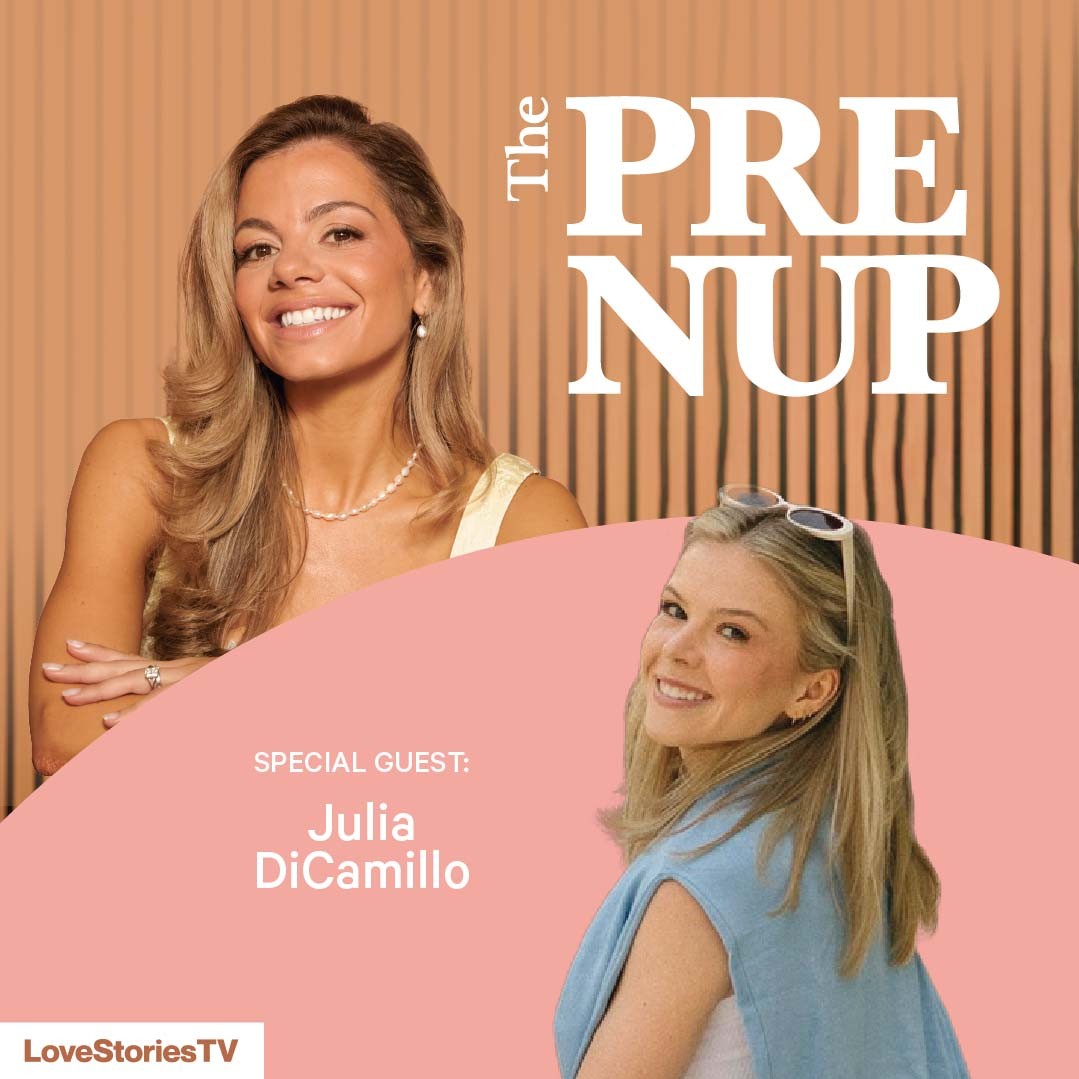
Planning your dream wedding without a wedding planner might seem overwhelming, but it's absolutely achievable with the right approach and mindset. On this week's episode of The Pre Nup, I sat down with TikTok star and 2025 bride-to-be Julia DiCamillo to discuss her experience planning a gorgeous Palm Beach wedding entirely on her own (well, almost entirely — she's bringing in a month-of coordinator for the final stretch).
Julia's story resonates with so many Type A brides who have a clear vision and prefer to maintain control over every detail. Her insights on vendor selection, organization systems, and knowing when to ask for help offer a realistic roadmap for anyone considering the DIY route. Whether you're budget-conscious, have a specific vision that's hard to communicate, or simply enjoy the planning process, Julia's approach proves that you can create your dream day without a full-service planner.
Understanding When DIY Wedding Planning Makes Sense
Not every bride needs a full-service wedding planner, and Julia's experience perfectly illustrates when the DIY approach can work beautifully. As she explained during our conversation, "I'm just so type A and crazy that I'm like, I've done everything. I already kind of know what I want with different things."
The key factors that make DIY planning successful include having a clear vision from the start, enjoying research and organization, and being comfortable making decisions independently. Julia had her Palm Beach venue's pink and green, golf-inspired aesthetic mapped out early, which provided a strong foundation for all her subsequent vendor decisions.
However, even the most organized DIY bride needs support. Julia wisely hired a month-of coordinator who steps in six weeks before the wedding to handle communications and day-of logistics. This hybrid approach gives you creative control while ensuring professional execution when it matters most.
The most important consideration is your personality type and available time. If you're someone who gets energized by researching vendors and creating spreadsheets, DIY planning can be incredibly fulfilling. But if decision-making stresses you out or you have limited time, investing in professional help will serve you better.
Building Your Vendor Dream Team Through Strategic Networking
One of Julia's most valuable insights was how vendor selection creates a domino effect that makes the entire process easier. "Once you just find one, it gets like so much easier," she shared. "It was like, oh, they recommended a photographer and videographer, we booked that. And then we trust her now after speaking with her and meeting with her and she has all these other recommendations."
This strategic approach starts with your venue, which typically provides preferred vendor lists of professionals who know the space intimately. Working with venue-recommended vendors offers several advantages: they understand the layout and logistics, they've established relationships with the venue team, and they often have a proven track record of success at your specific location.
When you find a vendor you love, leverage their network. Photographers often have relationships with florists, makeup artists, and other professionals whose work complements theirs. This organic referral system not only saves research time but often ensures better vendor collaboration on your wedding day.
Social media has revolutionized vendor discovery, allowing you to see real weddings and authentic work rather than polished portfolio pieces. Julia emphasized how Instagram enabled her to find vendors whose style truly matched her vision: "You can see like, oh, this is so my style, this is so my vibe."
Mastering Wedding Planning Organization Systems
Effective organization is the backbone of successful DIY wedding planning. Julia credits much of her success to a comprehensive digital planner her sister gave her — a massive spreadsheet from Etsy that includes vendor organizers, guest list management, checklists, and timelines.
Digital planning tools have revolutionized DIY wedding organization. These systems break down overwhelming tasks into manageable steps and help you track deadlines, budgets, and vendor communications in one place. The key is finding a system that matches your planning style and sticking with it consistently.
One crucial lesson Julia learned is that every task has multiple subtasks. "Every single thing that you have to do ends up being so many more layers than you thought," she explained. For example, setting up a wedding website requires choosing templates, writing FAQs, finalizing event schedules, and coordinating vendor information — what seems like a simple task becomes a multi-week project.
Successful DIY planners build buffer time into their timelines and break large tasks into smaller, specific action items. Instead of "book florist," your task list might include: research florists, create mood board, schedule consultations, compare proposals, and finalize contract. This granular approach prevents overwhelm and ensures nothing falls through the cracks.
Navigating Wedding Dress Shopping Like a Pro
Julia's dress shopping experience offers valuable insights for any bride, but especially those planning without professional guidance. Her biggest revelation was how different her final choice was from her original Pinterest vision. "I think you look at Pinterest and you look at Instagram and you see these photos of dresses that you're like, Oh my God, that looks so stunning. But so much of the idea of that comes from like the context of the photo, the person who's wearing it."
The most important advice from Julia's experience is to go into dress shopping with an open mind and realistic expectations. While inspiration photos are helpful, they shouldn't limit your options. The dress that photographs beautifully on a six-foot model in Italy might not be the most flattering choice for your body type or wedding style.
Julia also emphasized the importance of a positive shopping experience, recommending that brides "take it kind of slow" and not let bad appointments derail the process. If you're working with a stylist who doesn't understand your vision or shows you dresses far outside your budget, it's okay to leave early and try somewhere else.
The boutique environment and styling expertise can make or break your experience. Julia found success at Designer Loft in New York's garment district, where stylist Ella helped her discover a completely different style that felt authentically "her." Don't underestimate the value of working with experienced professionals who can guide you toward flattering silhouettes and appropriate styles for your venue and vision.
Creating Stunning Engagement Photos That Reflect Your Story
While Julia's wedding photographer is Florida-based, she worked with Houston photographer Hannah for her New York engagement session — and the results were absolutely stunning. Their collaboration offers valuable lessons for any couple planning engagement photos.
The key to successful engagement photos lies in choosing locations that tell your story while matching your wedding aesthetic. Julia and Sam chose three distinct New York locations: the New York Public Library for glamorous, architectural shots; Pete's Tavern in their neighborhood for casual, authentic moments; and Dear Irving cocktail bar for formal, old New York elegance.
This multi-location approach allowed them to capture different aspects of their relationship and create variety in their photo collection. However, Julia noted practical considerations — some locations like the New York Public Library don't officially allow photography, requiring quick, strategic sessions to avoid issues.
The photographer relationship is crucial for comfortable, natural-looking photos. Julia emphasized how Hannah's personable, low-pressure approach made them feel relaxed: "She was just like, all right, like, so good to see you guys like, do you want to get a coffee? And she kind of just explains like, I'm just going to like lightly direct you guys."
For couples planning engagement sessions, consider your wedding venue's style and choose locations that complement rather than clash with your overall aesthetic. Julia's vintage-glamorous New York photos perfectly align with her Palm Beach wedding's sophisticated, timeless vibe.
Key Takeaways
• Start with your venue — Use their preferred vendor list as a launching pad, then leverage each vendor's network for referrals to build your complete team organically
• Invest in organization systems — Whether it's a digital planner, spreadsheet, or app, find a comprehensive system that tracks all aspects of your wedding and stick with it consistently
• Plan for task complexity — Every wedding planning task has multiple subtasks and layers; build extra time into your timeline and break large projects into specific, manageable actions
• Consider a month-of coordinator — Even DIY brides benefit from professional support in the final weeks; this hybrid approach maintains your control while ensuring smooth execution
• Keep an open mind during dress shopping — Your Pinterest vision might not be your perfect dress; focus on how you feel rather than preconceived notions
• Choose engagement photo locations strategically — Select spots that tell your story while complementing your wedding's overall aesthetic and style
• Leverage your support system — Accept help from family and friends who offer; delegate lower-stakes tasks to people who want to be involved in your wedding journey
FAQ
How much can you save by planning a wedding without a planner?
Wedding planners typically cost 10-20% of your total wedding budget, so for a $30,000 wedding, you might save $3,000-$6,000 by going the DIY route. However, consider the time investment and stress factors — many couples find the peace of mind worth the investment, especially for complex or destination weddings.
What's the difference between a month-of coordinator and a full wedding planner?
A month-of coordinator (like Julia hired) steps in 4-6 weeks before your wedding to handle final details, vendor communication, and day-of logistics, while you handle all the planning and vendor selection yourself. A full wedding planner is involved from the beginning, helping with vendor selection, design, timeline creation, and budget management throughout the entire planning process.
When should you start planning a wedding without a planner?
Most weddings require 12-18 months of planning time, but DIY brides often need extra time since they're handling all research and coordination themselves. Start by booking your venue and photographer first, as these are typically the most in-demand vendors, then work through other vendors systematically rather than trying to book everyone simultaneously.
How do you find reliable wedding vendors without a planner?
Start with your venue's preferred vendor list, then use each trusted vendor's referrals to build your team. Check vendors' Instagram accounts for recent work, read reviews on multiple platforms, and don't hesitate to ask detailed questions about their experience with your venue type and wedding style.
What wedding planning tasks should you never DIY?
While many tasks can be DIY'd successfully, avoid handling complex logistics like detailed day-of timelines, vendor coordination on the wedding day, and technical setup for lighting or sound. Even DIY brides should consider hiring a month-of coordinator or having a trusted friend manage vendor communications and troubleshoot issues during the actual wedding day.
---
This post is based on an episode of The Pre Nup: A Wedding Planning Podcast. Follow us @the_pre_nup on Instagram and TikTok, and listen wherever you get your podcasts.